Business Card Template for Canva: The Ultimate Guide to Instant Professional Branding
In the modern professional landscape, a physical representation of one's identity remains a critical tool for networking and brand recognition. While digital profiles are ubiquitous, the tangible exchange of contact information often leaves a lasting impression. This is where a Business Card Template for Canva becomes an indispensable asset. It bridges the gap between complex graphic design software and the need for quick, high-quality output without requiring advanced technical skills.
The core value proposition lies in accessibility. Professionals, educators, and hobbyists alike can now create personalized designs in minutes. The process eliminates the barrier of hiring expensive designers or learning intricate vector editing tools. Instead, users can focus on their content and visual style. By utilizing a drag-and-drop interface, individuals gain full creative control over their branding materials.
The Mechanics of Custom Design with Drag and Drop Technology
Understanding the workflow of these templates reveals why they have become a standard for small business owners and freelancers. The system relies on a simple yet powerful mechanism: pre-structured frames that accommodate standard dimensions. When you access a Business Card Template for Canva, you are provided with a layout that already accounts for the precise measurements required for printing.
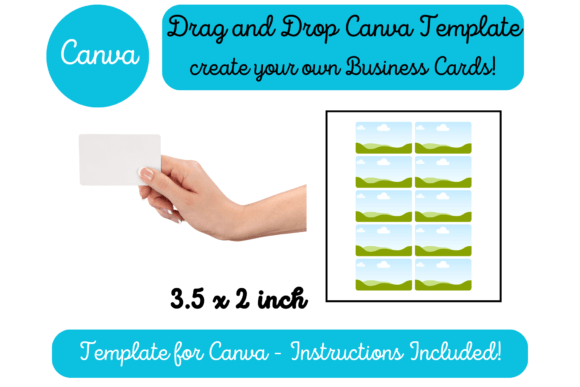
The primary advantage of this method is the elimination of formatting errors. Standard business cards measure 3.5 inches by 2 inches. In traditional design workflows, setting up bleed areas and safe zones requires precision. These templates handle that complexity automatically. Users simply drop their pictures into the designated frames. The software scales and positions the images correctly, ensuring that no critical text or logos are cut off during the trimming process.
- Visual Consistency: Every element aligns perfectly within the grid structure.
- Speed: Replacing a stock photo with a personal headshot takes seconds.
- Flexibility: Colors and fonts can be adjusted globally across all cards instantly.
This approach democratizes design. A researcher can maintain a clean, academic aesthetic, while a creative director might opt for bold typography and vibrant colors. The template serves as the foundation, allowing the user to inject their unique personality without worrying about the underlying structural integrity of the file.
From Digital Layout to Physical Print
Once the design is finalized, the transition from screen to paper is streamlined. The workflow dictates that the page be printed as an 8.5 x 11 sheet. This standard letter size is universally available in home printers and commercial print shops. Because each picture is sized at the standard 3.5 inch by 2 inch business card size, the layout fits efficiently onto the page.
This specific configuration allows for multiple cards per sheet, maximizing paper usage and reducing costs. Whether printing at home for immediate use or sending the file to a professional printer, the 8.5 x 11 format ensures compatibility with the vast majority of office equipment. The inclusion of a PDF with the Canva template link further simplifies this process. Users do not need to re-upload files or reconstruct layouts; they simply open the provided link to make final adjustments before printing.
Diverse Applications Across Professional Sectors
The versatility of these templates extends far beyond traditional corporate environments. The broad audience range includes consumers, creators, educators, and researchers, each with distinct needs that these customizable tools address effectively.
For Educators and Researchers
Educators often find themselves attending conferences, workshops, or departmental meetings where exchanging contact information is vital. A generic card may lack the specific details needed, such as a university affiliation or a specific research interest. Using a Business Card Template for Canva, a professor can easily integrate their institution's logo and a professional photograph. The drag-and-drop feature allows them to update their email address or phone number instantly if their contact details change, ensuring accuracy without reprinting thousands of cards.
Researchers benefit similarly. In collaborative projects, clear communication channels are essential. A well-designed card can include links to a Google Scholar profile or a personal research website. The ability to customize the layout means they can highlight their area of expertise prominently, making it easier for potential collaborators to identify relevant connections.
For Creators and Hobbyists
Creatives, including photographers, artists, and crafters, rely heavily on visual appeal. Their business cards must reflect the quality of their work. With the easy drag-and-drop functionality, a photographer can place a sample of their best work directly onto the card background. This turns the card itself into a portfolio piece. The frames ensure that the image does not distort, maintaining the integrity of the artwork even when scaled down.
Hobbyists who monetize their crafts also find value here. Whether selling handmade goods at a market or offering services online, a branded card adds a layer of professionalism. The ability to print 8.5 x 11 sheets at home means they can produce small batches on demand, avoiding the waste associated with large bulk orders.
For Business Owners and Entrepreneurs
Small business owners often wear many hats, including marketing manager. Hiring a designer for every iteration of a card is cost-prohibitive. These templates offer a sustainable solution. A business owner can test different color schemes to see which resonates better with their target audience. If a new product line launches, the card can be updated to reflect that shift immediately.
The ease of use encourages experimentation. Instead of committing to a single design for years, entrepreneurs can iterate based on feedback. This agility is crucial in fast-moving markets where brand perception can shift quickly.
Strategic Advantages of the PDF and Link Integration
A significant feature of this workflow is the delivery method. Each purchase or download typically includes a PDF containing the direct Canva template link. This integration removes friction from the user experience. There is no need to search for the original file later or worry about losing the source data.
The PDF acts as a permanent key to the design. Even if the user changes devices or browsers, the link ensures access to the editable version. This longevity is important for long-term branding consistency. Furthermore, having the link embedded means that team members can collaborate more easily. One person can set up the master design, and others can duplicate it to create variations for different departments or roles.
This system supports the concept of "living" branding materials. Unlike static printed cards, the digital source remains dynamic. Updates to social media handles, website URLs, or job titles can be made in the cloud and reflected in future prints instantly. This reduces the likelihood of distributing outdated contact information, a common issue with traditional offset printing methods.
Cost Efficiency and Resource Management
Beyond convenience, there are tangible financial benefits. Traditional design agencies charge hourly rates or project fees that can run into hundreds of dollars. Printing services also charge setup fees for custom runs. By using a self-service model with a Business Card Template for Canva, users retain full ownership of the design assets.
The ability to print at home or via local copy centers on standard 8.5 x 11 paper significantly lowers the cost per unit. For startups operating on tight budgets, this is a game-changer. It allows resources to be allocated elsewhere, such as product development or customer acquisition, while still maintaining a professional image.
Considerations for Optimal Results
While the technology simplifies the process, achieving professional results requires attention to detail. Users should ensure that the images they drop into the frames are of high resolution. Blurry photos will look unprofessional regardless of how elegant the template is. Since the final print size is 3.5 inches by 2 inches, the source image must be sharp enough to remain clear at that scale.
Color management is another factor. Screens display colors differently than printers. RGB colors used on monitors may appear slightly different when printed in CMYK. It is advisable to preview the design in print mode within the Canva editor to catch any discrepancies before running the paper through the printer.
Additionally, the choice of paper stock matters. Standard printer paper may feel flimsy compared to the thick cardstock used by professional printers. For a premium feel, users can print the 8.5 x 11 sheet on heavier cardstock available at office supply stores. This small adjustment elevates the tactile experience of the card, reinforcing the quality of the brand.
Future Trends in Personalized Networking
The shift towards DIY design tools reflects a broader trend in the professional world: the demand for speed and personalization. As remote work and digital networking continue to grow, the need for physical touchpoints remains strong. People crave tangible reminders of interactions. A uniquely designed card stands out in a pile of generic ones.
The ability to create your own personalized business card designs in minutes empowers individuals to take charge of their professional narrative. It signals confidence and competence. Whether you are a student entering the workforce, a seasoned executive, or a creative freelancer, the tools available today allow you to present yourself exactly as you wish to be perceived.
By leveraging the features of a Business Card Template for Canva, users transform a mundane necessity into a strategic marketing asset. The combination of easy drag-and-drop functionality, standard sizing, and direct printability creates a seamless loop from idea to reality. This efficiency allows professionals to focus on what truly matters: building relationships and delivering value.
Ultimately, the success of a business card lies not just in its aesthetics but in its utility. A well-designed card facilitates connection. It provides clear pathways for communication. By taking the time to customize the design, users ensure that their contact information is memorable and accessible. In an era of digital saturation, a physical card created with care remains a powerful tool for standing out.