Integrating Wedding Clip Art and Fashion Illustrations into Modern Digital Design
The landscape of digital design has evolved significantly, moving away from generic stock imagery toward highly specialized assets that allow for true creative expression. Among the most versatile categories currently dominating the market are Wedding Clip Art and Fashion Illustrations. These elements serve as the backbone for countless projects, ranging from high-end bridal invitations to bespoke clothing lines. However, the utility of these assets extends far beyond their aesthetic appeal; they represent a specific technical standard that enables creators to produce professional-grade work with unprecedented efficiency.
When designers speak of modern digital assets, they are often referring to a specific type of file format: the PNG (Portable Network Graphics) file. Unlike traditional raster images that come with white backgrounds or complex layers, these files are crafted with transparency in mind. This transparency is not merely a visual feature but a functional necessity for integrating illustrations into various mediums without altering the underlying design. The ability to layer a fashion illustration over a textured background or place wedding clip art onto a glass mug requires a file structure that supports an alpha channel. This is where the distinction between standard image formats and high-resolution transparent PNGs becomes critical for professionals and hobbyists alike.
The Technical Superiority of High-Resolution Transparent Files
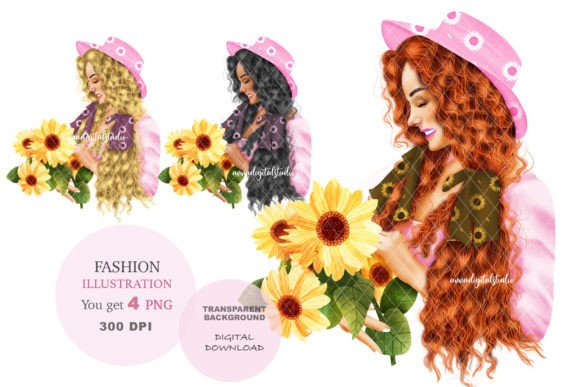
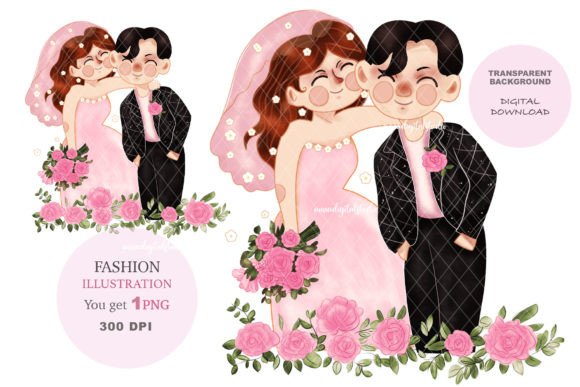
To understand why these digital downloads are preferred by industry leaders, one must look at the technical specifications that define them. A high-quality asset intended for commercial or serious personal use typically boasts a resolution of 300 dpi (dots per inch). This resolution is the industry standard for print production, ensuring that when an image is scaled up or down, it retains its crispness and does not appear pixelated or blurry. In the context of Fashion Illustrations, this level of detail allows for fine linework, delicate shading, and intricate patterns to be reproduced accurately on fabric or paper.
Furthermore, the color mode of these files is specifically developed using RGB (Red, Green, Blue) colors. While CMYK is the standard for professional offset printing presses, RGB is the native language of screens and many modern digital printers. By providing files in RGB, creators ensure that the colors remain vibrant and true to the original design intent when viewed on monitors or printed via inkjet and laser printers. It is important to note, however, that while these files are optimized for screen-based workflows, they are fully capable of being used for physical products. The transparency of the background means that the design can float above any substrate, whether it is a phone case, a planner cover, or a business card, creating a seamless integration that looks custom-made.
Bridging the Gap Between Screen and Print
One of the primary challenges in digital design is the discrepancy between what is seen on a monitor and what appears on a physical page. Monitor settings, printer calibrations, and paper types all influence the final output. Consequently, even the most technically perfect file may require adjustments during the production phase. Designers are strongly advised to conduct a printing test beforehand. This simple step ensures that the colors, which may appear slightly different due to variations in monitor and printer settings, match the desired outcome. By understanding that the colors on your screen may differ from the final printed product, users can manage expectations and achieve the best possible results through careful calibration and testing.
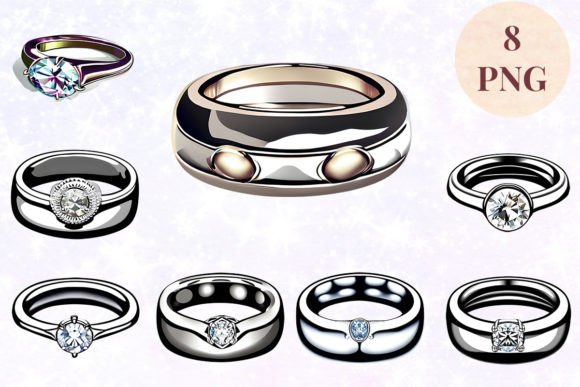
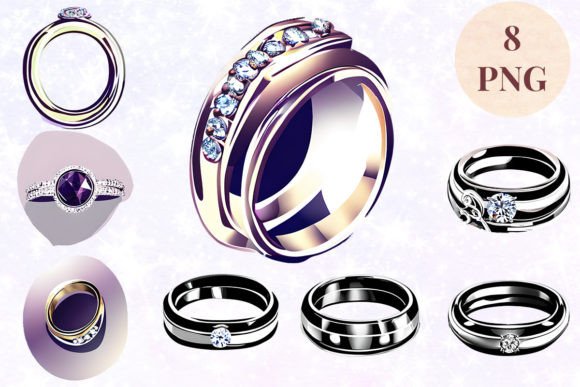
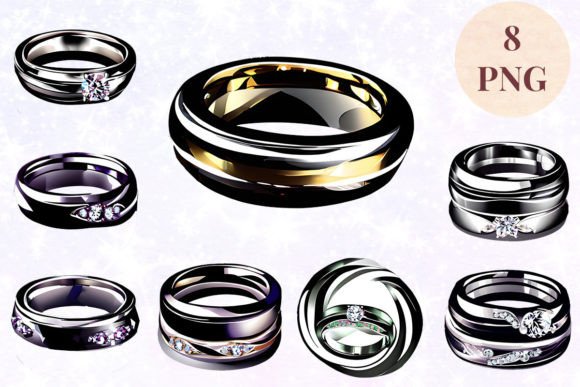
This technical awareness is particularly relevant when working with Wedding Clip Art. Weddings are events where perfection is paramount, and the quality of stationery, signage, and decor reflects the attention to detail of the couple. Using low-resolution watermarked images would result in a subpar presentation. In contrast, a watermark-free, 300-dpi PNG file allows for the creation of elegant save-the-date cards, elaborate invitation suites, and decorative elements that look polished and professional. The absence of watermarks is a non-negotiable feature for any asset intended for commercial resale or high-stakes personal projects.
Diverse Applications Across Creative Industries
The versatility of these digital assets is perhaps their most defining characteristic. They are not limited to a single niche but rather span a wide array of applications that cater to both B2B (business-to-business) and B2C (business-to-consumer) markets. For entrepreneurs and small business owners, these files offer a low-barrier entry into product creation. By downloading a single listing for an instant digital file, creators gain access to a library of designs that can be adapted for multiple revenue streams.
Consider the realm of apparel and accessories. Fashion Illustrations are ideal for screen printing on t-shirts, hoodies, and tote bags. Because the background is transparent, the illustration can be placed directly onto the garment without needing to mask out a white box around the design. Similarly, these assets are perfectly suited for designing phone and tablet cases. Whether using a direct-to-garment printer or a sublimation process, the high resolution ensures that the details of the fashion sketch translate beautifully onto curved surfaces.
In the stationery sector, the applications are equally expansive. Designers utilize these files to create greeting cards, gift cards, and personalized invitations. The elegance of Wedding Clip Art adds a touch of sophistication to formal correspondence, while fashion sketches bring a trendy, artistic flair to casual notes. Beyond paper goods, these digital assets are increasingly used for office organization. Notepad covers and planner covers benefit from the unique artwork, transforming mundane organizational tools into stylish accessories. Tablet covers also provide a canvas for large-scale illustrations, allowing the design to wrap around the device seamlessly.
Expanding into Corporate and Educational Sectors
The utility of these files extends into corporate branding and educational materials. Business cards designed with unique Fashion Illustrations stand out in a stack of generic cards, helping freelancers and creatives make a memorable first impression. For educators and researchers, these assets can be used to illustrate presentations or create engaging handouts that capture student interest. Hobbyists, too, find value in these resources for scrapbooking, journaling, and crafting DIY gifts.
The ability to download these files instantly removes the logistical hurdles associated with physical shipping. There is no waiting for delivery, no risk of damage during transit, and no need to pay for shipping costs. The entire transaction is digital, allowing for immediate access to the assets. Once downloaded, the user has full control over how the files are utilized, provided they adhere to the licensing terms of the seller. This immediacy is crucial for meeting tight deadlines in fast-paced industries like event planning and marketing.
Strategic Considerations for Creators and Businesses
While the advantages of using high-quality digital assets are clear, there are strategic considerations that every creator should keep in mind. The first is the importance of uniqueness. In a saturated market, using generic or overused templates can dilute a brand's identity. Purchasing unique and high-quality PNG files ensures that the resulting products are distinct and valuable additions to a digital asset library. This uniqueness is what separates mass-produced items from boutique creations.
Another consideration is the scalability of the design. Since the files are vector-friendly in concept (though delivered as high-res rasters), they can be resized for various applications. A fashion illustration that looks great on a large poster will also render sharply on a small sticker or a thumbnail image for social media. This scalability makes the initial investment in a digital download highly cost-effective, as one file can support dozens of different products.
For those looking to expand their offerings, contacting the designer or seller for more information can be beneficial. Many creators are open to questions regarding bulk usage, custom modifications, or specific technical requirements. Building a relationship with a supplier can lead to exclusive access to new designs or tailored solutions that fit specific project needs. This collaborative approach fosters innovation and helps businesses stay ahead of trends in Wedding Clip Art and Fashion Illustrations.
The Future of Digital Asset Integration
As technology continues to advance, the integration of digital assets into physical products will only become more seamless. The rise of on-demand printing services means that creators can now take a digital file and have it printed on a variety of substrates with minimal overhead. This democratization of manufacturing allows individuals to turn creative ideas into tangible products without the need for large inventory investments. The availability of watermark-free, high-resolution PNG files is a key enabler of this trend.
Moreover, the shift towards sustainable and personalized consumer goods aligns perfectly with the capabilities of these digital files. Consumers are increasingly seeking products that reflect their individual style and values. Customized wedding invites featuring unique clip art or clothing lines showcasing original fashion illustrations meet this demand effectively. By leveraging these digital tools, creators can offer personalized experiences that resonate deeply with their audience.
In conclusion, the combination of Wedding Clip Art and Fashion Illustrations in high-resolution, transparent PNG formats represents a powerful resource for the modern creator. Whether for professional branding, personal projects, or educational purposes, these assets provide the flexibility, quality, and ease of use necessary to succeed in today's digital economy. By understanding the technical nuances and practical applications of these files, users can maximize their creative potential and deliver exceptional results across a diverse range of mediums.